
Understanding Depression and Depression Treatment
UNDERSTANDING DEPRESSION
 Depression can be difficult to diagnose because it presents differently in each person. Depression treatment should be tailored to the individual person based ontheir symptoms. In order to determine the depression treatment that is right for you, it is important to understand how depression impacts your daily life. When you think of depression you think of sadness, right? Unfortunately for many patients the first symptom is not sadness. It can take a person a while before they identify they are depressed. Some of my patients notice that they are irritable, eat less, and struggle with insomnia before they start to feel depressed and sad. Other patients sleep more, eat more, and stop enjoying the pleasure of life for several days or even weeks before they begin to feel depressed. Depression has many faces and can also be a normal emotion. Understanding the difference between the emotion and the illness is quite important and often difficult to determine without the help of a psychiatrist or psychiatric PA.
When Does Depression Become a Medical Illness?
Major depressive disorder (MDD) is the illness of depression. This illness occurs when you feel either sad or lack interest or please in your activities most of the day, nearly everyday for at least 2 weeks in a row. You must also have at least 4 of these symptoms that occur most of the day nearly every day for at least 2 weeks in a row:
- weight loss or weight gain
- insomnia or sleeping too much
- moving slowly which could include slow speech or walking slowly
- fatigue or loss of energy
- feelings of worthlessness or excessive guilt
- difficulty with concentration
- recurrent thoughts of death or suicidal thoughts
When depression becomes an illness it has a negative impact in more than one area of your life. This means it is not just occurring when you are work because you don’t like your job. It wouldn’t just occur at home because you are unhappy in your marriage. When depression is a medical illness it occurs at work, home, and in your social life. While you might be able to push through it, you are unable to function at your normal level. Key Facts About Depression According to the World Health Organization (WHO) [1]
- Depression is a common mental disorder. Globally, more than 300 million people of all ages suffer from depression.
- Depression is the leading cause of disability worldwide, and is a major contributor to the overall global burden of disease.
- More women are affected by depression than men.
- At its worst, depression can lead to suicide.
- There are effective treatments for depression.
Other psychiatric illnesses that causes symptoms of depression
ADHD can lead to brief bouts of depression that tend to be triggered by boredom, rejection, or disappointment in themselves or others. While someone with ADHD may feel depressed daily, each bout of depression does not last more than a few minutes or hours. Most patients with ADHD notice a significant improvement in their mood symptoms once they are on the right medication regimen for their ADHD. Working with a therapist to learn how to cope with the mood symptoms of ADHD can also be helpful.
Depression commonly occurs in people who have anxiety disorders. For example, post traumatic stress disorder, obsessive compulsive disorder, or generalized anxiety disorder frequently cause symptoms of depression. As you can imagine, struggling with feelings of high anxiety for an extended period of time it is quite depressing. Sometimes anxiety disorders can lead to major depressive disorder. It is also a common symptom of bipolar disorder, schizophrenia, and schizoaffective disorder.
Medication Options
Depression treatment and interventions should address your unique needs. Medications should target the symptoms that are most problematic for you. It is important to determine the symptoms which are impairing your ability to work and enjoy life. There are many different types of antidepressants on the market. The most commonly prescribed antidepressants are Selective Serotonin Re-uptake Inhibitors (SSRIs) and Serotonin-Norepinephrine Reuptake Inhibitors (SNRI). The medications in these classes are all effective for depression treatment. However each has unique features that will impact the individual person’s response to the medication. For this reason, it is important to work with a clinician who understands the nuances of the medication. It is also very important to understand that antidepressants do not work quickly. You typically see a 10-20% improvement each week you take the medication. You will see the maximum benefit after 6-8 weeks. Due to the complexity of depression it is not unusual for psychiatric specialists to prescribe more than one medication. To avoid taking multiple medications, consider improving your emotional health by working with a therapist.
Therapy Options
Dialectical behavioral therapy (DBT) and cognitive behavioral therapy (CBT) are both effective treatments for depression. For mild depression, both types of therapy can be effective in place of medication. For moderate to severe depression DBT and CBT are useful in conjunction with medication. By adding these therapies to your treatment regimen you will likely be able to maintain stability on less medication. Take a few minutes to read this article Depression Treatment: Why is Therapy Important in the Treatment of Depression and Anxiety to learn more.
Additional Resources
[amazon_link asins=’0452281326,1572249560,1462520421′ template=’ProductCarousel’ store=’amazon0dd30-20′ marketplace=’US’ link_id=’72710b48-91a2-11e7-9f85-63d394223e2a’]
[1] World Health Organization (WHO), Depression fact sheet,Retrieved from, http://www.who.int/mediacentre/factsheets/fs369/en/
Psychiatrist vs Therapist: Which one do I need?


A psychiatrist or psychiatric PA can prescribe medication to help fix the chemical imbalance that leads to depression and anxiety. In the most basic terms, depression and anxiety stem from low levels of serotonin and other chemicals in your brain. Antidepressants prescribed by a psychiatrist or psychiatric PA work by increasing serotonin in the brain. After several weeks you should notice a significant improvement in your depression and/or anxiety. However, medication is not the only effective treatment nor should it be. It is important to recognize that stress is part of the cause of depression and anxiety.
A Psychiatrist’s Role in Your Treatment
A psychiatrist or psychiatric PA should spend time during your appointment counseling you on ways to better manage the symptoms of depression and anxiety. However the main role of a psychiatrist or psychiatric PA is medication management of depression and anxiety disorders. While this is an important component in your treatment, it should not be the only focus of your treatment.
Stress is Bad For Your Health
Learning how to cope with stress is a very important part of your recovery. Stress causes your body to release a hormone called cortisol which is hazardous to your health. When cortisol is released excessively from stress it can lower chemicals like serotonin in your brain. Low levels of serotonin have been known to induce depression and anxiety disorders. High levels of cortisol can have a negative effect on other parts of your body as well. It can increase your blood pressure and make the vessels in your heart less flexible which can cause heart disease. Stress can trigger pain disorders from general aches and pains to tension headaches from stiffness in your neck and shoulders. Stress has been known to play a negative role in most illnesses that plague society today and a therapist can teach you coping skills which minimize the impact of stress.
Do Psychiatrists Counsel Patients?
Due to managed health care psychiatrists very rarely serve the role of therapist. They are able to see more patients in a day for medication management and often times see as many as 20-30 patients a day. Since there are many qualified and capable therapists, psychiatrists do not often do hour long sessions with clients. Instead they refer their clients to a therapist. However due to their very busy schedules, many psychiatrists do not have the time to educate patients on how therapy works. Instead they refer the patient to a therapist in hopes that the patient will trust their judgement and follow their treatment recommendations. However, many patients do not want to invest the time and money to see a therapist each week until they understand how therapy is helpful.
What Kind of Psychiatrist is Best for You?
I have been treating depression and anxiety disorders since 2004. My many years of experience has led me to determine that my clients who work with a therapist stay healthy on less medication . While my background is psychiatry and I love practicing the art of medicine, my goal is to minimize the use of medication. My treatment plan for my clients includes making lifestyle changes and improving their emotional health. Furthermore, I find more fulfillment in my work if I see less clients in a day. I want to spend more time with each client and provide them with a more holistic treatment plan. I recommend you research your medical provider to determine their care philosophy.
What Kind of Therapist is Best for You?
I recommend you find a psychiatrist or psychiatric PA who has close ties to local therapists. Ideally your medical provider should offer good referrals both in their office and in the community. Working with a therapist who shares office space with your medical provider offers many advantages. However, a therapist in the community may better fit your needs. The important thing is to be knowledgeable about your treatment options. A good place to start is reading my article titled: Why is Therapy so Important?
ADHD in Adults: An Expert’s Explanation
 What is ADHD?
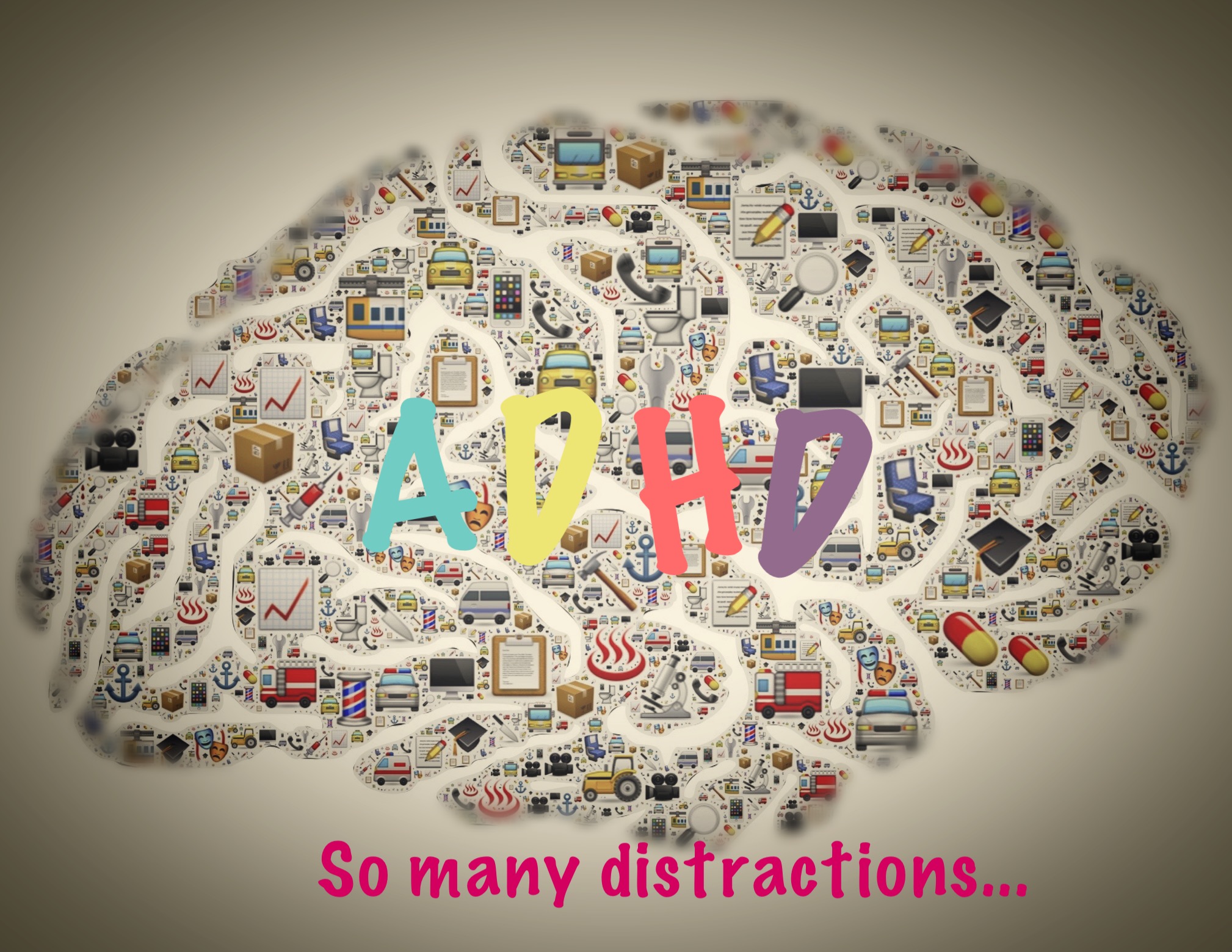
The prefrontal cortex , located right behind your forehead, does not function well when you have ADHD. You can think of it as your filter. It filters out stimulus in your environment so that you can focus on one thing at time. For people that don’t have ADHD this part of the brain filters out background noise so that they can focus on the most important task at hand. The “background noise” it filters could be actual noises but could also be things that cross their line of vision or even their own thoughts. It basically helps filter out distractions.
How is the ADHD Attention Span Different?
However the prefrontal cortex does not work well in people with ADHD. This leaves them incapable of CONSISTENTLY filtering out background noise. They are able to focus on one thing at a time IF interesting and grabs their attention. When that is the case their focus becomes impenetrable and they enter into a state called hyper-focusing. They can spend extended periods of time “in the zone” and hours pass and it feels like minutes. When in this state they filter out background noise so well they will not hear their name being called or notice obvious changes in their environment.When do People with ADHD Find it Hard to Focus?
The ADHD attention span is like a light switch. When something grabs the attention of a person with ADHD then the switch is on and they can hyper focus. However it is the exact opposite of this when they are trying to focus on a boring or mundane task. In that case the switch is off. It is like pulling teeth to pay attention. Their brains are running rapid and are unable to filter out the background noise. So while they are trying to focus on reading a paragraph of a boring book they pick up on the noises around them, shiny objects and their own random thoughts serve as an additional source of distraction.Why do People with ADHD Find it Hard to Listen Well?
People with ADHD struggle to absorb boring and mundane things that people say. If information is not presented in a way that GRABS their attention then their prefrontal cortex won’t be able to filter out the background noise. The example I give patients in my office is to pretend that I am very boring. (This takes some pretending because I have such a dynamic and captivating personality.) I ask them if they have struggled to filter out the “background noise” during our conversation. They aren’t always sure so I ask them if any of the following distracted them: the cars driving by, the pictures of my two beautiful kids, the noise of the A/C unit, their own random thoughts, the shiny lamp in the corner, etc. Their eyes get big and they all say “YES!!”Why do People with ADHD Find it Hard to Sustain Attention for a Decent Period of Time?
Take my patient who was trying to listen to me. In that short period of time she had to try to push out many intruders that comprised her attention span. There was the noise of the A/C unit, the visual stimulus of cars driving by, pictures, shiny objects, and of course her own random thoughts. Anyone that has to actively try to ignore that much stimulus is going to miss the details of the task at hand. When trying to read a book she will find herself re-reading the same paragraph many times. Consider her conversations with her loved ones and how her wandering mind means she leaves the conversation without really remembering what was said. Imagine the difficulty she will have paying attention in a boring meeting or a classroom lecture. In all of these situations she will feel frustrated and mentally exhausted as she tries to filter out the background noise to focus on what is being said.Why do People with ADHD Procrastinate?
People with ADHD tend to avoid mundane tasks. The extra mental effort it takes to filter out background noise is exhausting, frustrating, and utterly uncomfortable. The longer they put off the task the more stressed they become and then reach a magical place called “crunch time”. Crunch time is the one of the few ways a person with ADHD can focus on a mundane task. The heat of a looming deadline flips the switch on their filter. In a short period of time they churn out a tremendous amount of work. They can whip out a paper, cram for a test, or finish a project with results that are nothing short of amazing. However, the emotional toll of the anxiety this produces is destructive for both the patient and the people around them.Conclusions
I hope this article helps you better understand the neurological cause behind the symptoms of ADHD. Stay tuned for more articles on ADHD including the treatment options and the many advantages of ADHD. If you would like to learn more I highly recommend you visit ADDitude Magazine and CHADD. I also recommend the book below. Amy Morrison is an expert speaker on Adult ADHD and is well recognized in the community for treating ADHD in adults.