
ADHD Brain Dump Planner Template
Streamline Your Mind: The Ultimate ADHD Brain Dump Planner Template
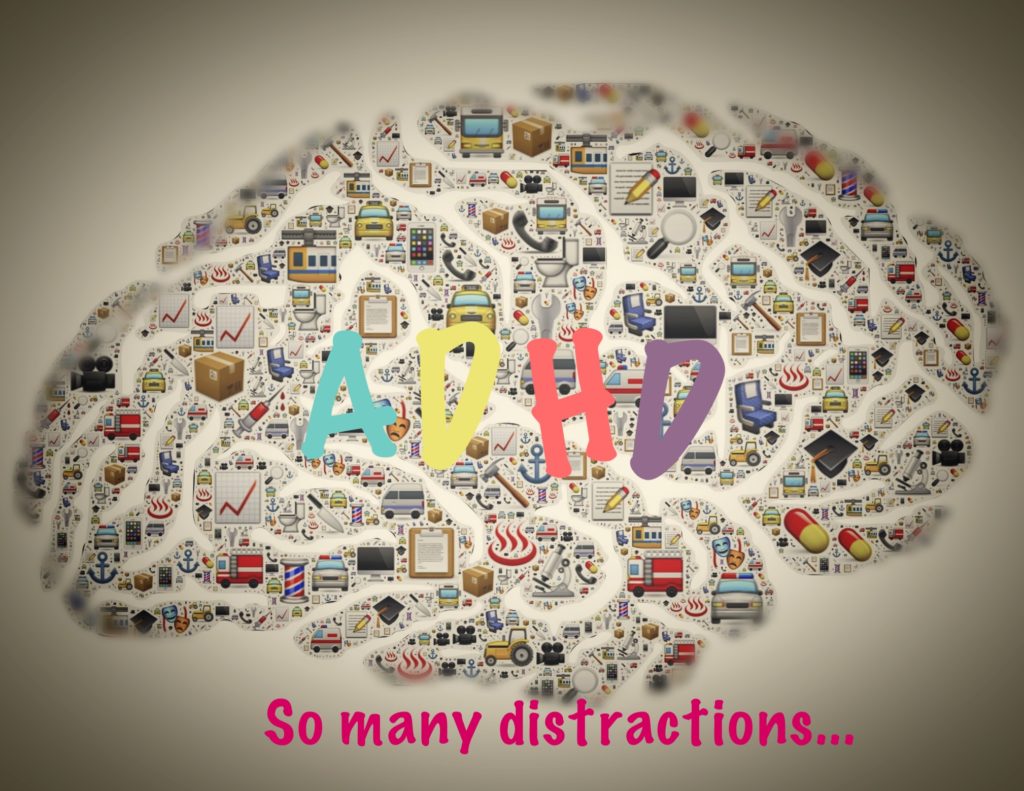
Living with ADHD often means juggling a whirlwind of thoughts, ideas, and tasks, which can make organization and focus feel like Herculean tasks. Enter the brain dump planner template—a powerful tool designed to help you clear mental clutter and bring order to chaos. In this post, we’ll explore how this template can be a game-changer for those with ADHD.
Understanding ADHD and the Need for Organization
If you have ADHD, you know that managing daily tasks can be a challenge. ADHD can make it difficult to prioritize, manage time, and maintain focus, leading to stress and overwhelm. However, utilizing external tools and strategies can provide the structure needed to thrive.
What is a Brain Dump?
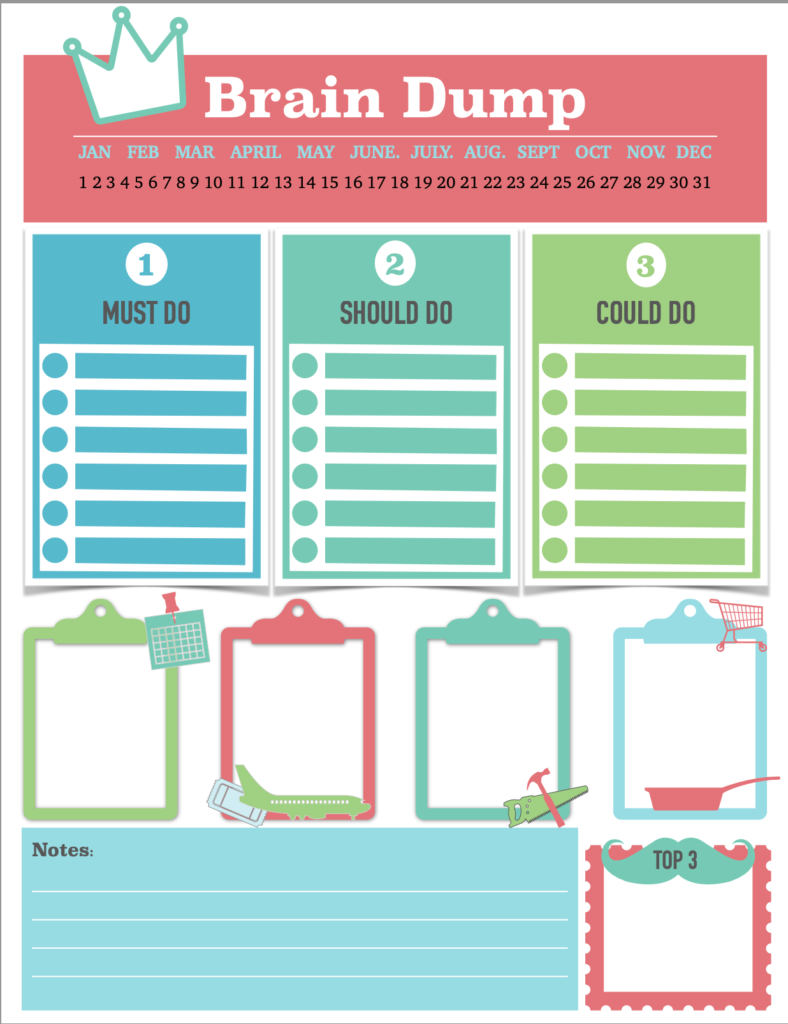
A brain dump is a simple yet effective technique for decluttering your mind by writing down everything that’s occupying your thoughts. This process helps reduce mental overload, enhances clarity, and improves focus. By getting everything out of your head and onto paper, you create space for more productive thinking.
A brain dump is a simple yet effective technique for decluttering your mind by writing down everything that’s occupying your thoughts. This process helps reduce mental overload, enhances clarity, and improves focus. By getting everything out of your head and onto paper, you create space for more productive thinking.
The Benefits of a Brain Dump Planner Template
While a brain dump alone is beneficial, using a structured planner template elevates the process by providing a clear framework. This template helps you categorize and prioritize your thoughts, making it easier to manage tasks and reduce stress.
Components of an Effective ADHD Brain Dump Planner Template
- Capture Section: Start with a space to jot down every thought, task, or idea that comes to mind without judgment or filtering.
- Categorization: Use sections or prompts to sort your entries into categories such as work, personal, urgent, and long-term.
- Prioritization: Identify high-priority tasks using tools or prompts within the template.
- Action Steps: Break down larger tasks into smaller, actionable steps to make them more manageable.
- Review and Reflect: Include space to reflect on completed tasks and plan for the future, helping you stay on track and motivated.
How to Use the ADHD Brain Dump Planner Template
- Set Aside Time: Dedicate a specific time each day or week for a brain dump session.
- Capture Everything: Write down every thought, task, and idea in the capture section.
- Organize: Sort your entries into relevant categories.
- Prioritize: Highlight the most critical tasks to address first.
- Plan Actions: Break tasks into actionable steps and schedule them accordingly.
- Regular Review: Consistently review your planner to update tasks and reflect on progress.
Tips for Maximizing the Planner’s Effectiveness
- Regular Practice: Make brain dumping a regular habit to keep your mind clear and organized.
- Combine Strategies: Use the planner alongside other ADHD management techniques, such as timers or digital reminders.
- Adapt the Template: Customize the template to suit your personal needs and preferences for optimal results.
Conclusion
A brain dump planner template can transform how you manage your ADHD, turning overwhelming chaos into organized clarity. By regularly using this tool, you can enhance your productivity, reduce stress, and regain control over your daily life.
Get Started Today
Ready to experience the benefits for yourself? Download our free ADHD brain dump planner template using this link and start your journey toward a more organized and focused life. Share your experiences and tips in the comments below or on social media—we’d love to hear how the template works for you!
ADHD in Adults: An Expert’s Explanation
 What is ADHD?
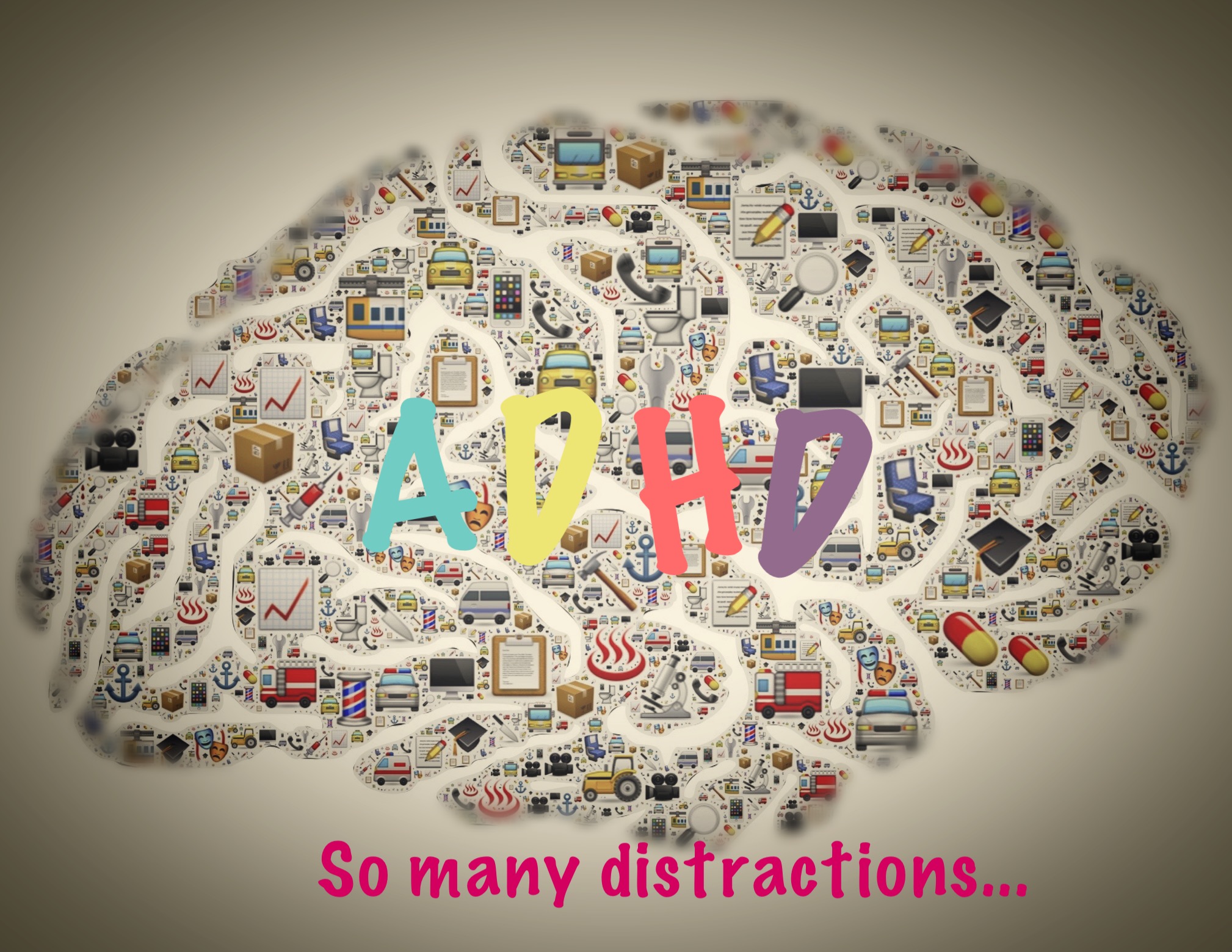
The prefrontal cortex , located right behind your forehead, does not function well when you have ADHD. You can think of it as your filter. It filters out stimulus in your environment so that you can focus on one thing at time. For people that don’t have ADHD this part of the brain filters out background noise so that they can focus on the most important task at hand. The “background noise” it filters could be actual noises but could also be things that cross their line of vision or even their own thoughts. It basically helps filter out distractions.
How is the ADHD Attention Span Different?
However the prefrontal cortex does not work well in people with ADHD. This leaves them incapable of CONSISTENTLY filtering out background noise. They are able to focus on one thing at a time IF interesting and grabs their attention. When that is the case their focus becomes impenetrable and they enter into a state called hyper-focusing. They can spend extended periods of time “in the zone” and hours pass and it feels like minutes. When in this state they filter out background noise so well they will not hear their name being called or notice obvious changes in their environment.When do People with ADHD Find it Hard to Focus?
The ADHD attention span is like a light switch. When something grabs the attention of a person with ADHD then the switch is on and they can hyper focus. However it is the exact opposite of this when they are trying to focus on a boring or mundane task. In that case the switch is off. It is like pulling teeth to pay attention. Their brains are running rapid and are unable to filter out the background noise. So while they are trying to focus on reading a paragraph of a boring book they pick up on the noises around them, shiny objects and their own random thoughts serve as an additional source of distraction.Why do People with ADHD Find it Hard to Listen Well?
People with ADHD struggle to absorb boring and mundane things that people say. If information is not presented in a way that GRABS their attention then their prefrontal cortex won’t be able to filter out the background noise. The example I give patients in my office is to pretend that I am very boring. (This takes some pretending because I have such a dynamic and captivating personality.) I ask them if they have struggled to filter out the “background noise” during our conversation. They aren’t always sure so I ask them if any of the following distracted them: the cars driving by, the pictures of my two beautiful kids, the noise of the A/C unit, their own random thoughts, the shiny lamp in the corner, etc. Their eyes get big and they all say “YES!!”Why do People with ADHD Find it Hard to Sustain Attention for a Decent Period of Time?
Take my patient who was trying to listen to me. In that short period of time she had to try to push out many intruders that comprised her attention span. There was the noise of the A/C unit, the visual stimulus of cars driving by, pictures, shiny objects, and of course her own random thoughts. Anyone that has to actively try to ignore that much stimulus is going to miss the details of the task at hand. When trying to read a book she will find herself re-reading the same paragraph many times. Consider her conversations with her loved ones and how her wandering mind means she leaves the conversation without really remembering what was said. Imagine the difficulty she will have paying attention in a boring meeting or a classroom lecture. In all of these situations she will feel frustrated and mentally exhausted as she tries to filter out the background noise to focus on what is being said.Why do People with ADHD Procrastinate?
People with ADHD tend to avoid mundane tasks. The extra mental effort it takes to filter out background noise is exhausting, frustrating, and utterly uncomfortable. The longer they put off the task the more stressed they become and then reach a magical place called “crunch time”. Crunch time is the one of the few ways a person with ADHD can focus on a mundane task. The heat of a looming deadline flips the switch on their filter. In a short period of time they churn out a tremendous amount of work. They can whip out a paper, cram for a test, or finish a project with results that are nothing short of amazing. However, the emotional toll of the anxiety this produces is destructive for both the patient and the people around them.Conclusions
I hope this article helps you better understand the neurological cause behind the symptoms of ADHD. Stay tuned for more articles on ADHD including the treatment options and the many advantages of ADHD. If you would like to learn more I highly recommend you visit ADDitude Magazine and CHADD. I also recommend the book below. Amy Morrison is an expert speaker on Adult ADHD and is well recognized in the community for treating ADHD in adults.
Taking the Next Step
If you recognize yourself in this pattern and wonder whether ADHD may be contributing, a thorough assessment can provide clarity and options. You can:The ADHD Less is More Challenge: Take the Stress out of Parenting a Child with ADHD
As a mother of 2 children with ADHD I am constantly battling the clutter they leave behind as they tear through the house. Piles of junk cumulate in the corners of their bedrooms. Abandoned toys gather in every room of the house. Missing socks find themselves under bookshelves, beds, and couches. Hoards of plastic children’s cups hold meetings on bedside tables, kitchen counters, and coffee tables throughout the house. Sharp edges of tiny lego pieces are found embedded in the bottom of my foot…
One day in particular I was feeling overwhelmed by the sheer volume of dishes I had to wash. I wanted my children to take care of washing their own dishes but I was finding it hard to hold them accountable. There were cups EVERYWHERE. Plates, bowls, and utensils filled the kitchen sink and I did not know to whom they belonged.
As usual I just cleaned the mess myself. As I did so a growing frustration simmered inside me. The only way this amount of clutter could amass in such a short period of time is if the kids got a new cup every time they were thirsty. I realized that each child was probably using 3-4 cups a day. It became increasingly evident why I could not hold them accountable. When they had 30 cups to choose from in the cupboard then it did not cross their mind to find a missing cup when it was much easier to grab a new one.

The Key to Parenting Children with ADHD: Tame the Chaos of Clutter
As I considered how to parent this situation, I realized I was part of the problem. The environment that I had provided for my children was not the best set up for their ADHD. When you have ADHD you are prone to overstimulation coupled with a short attention span. When you have 20 toys to choose from then you might play with 15 toys in the span of an hour because each toy may hold your attention for just a few minutes. However, if you only have one toy then you have no choice but create ways to entertain yourself with that toy for an hour. In this case less is more.
The dilemma I was facing is that my kids had too many options. This in turn made them feel overstimulated. Due to their ADHD they struggle with impulsivity coupled with a short attention, which makes it hard for them to consider consequences. This is worsened by the nature of humans to take the path of least resistance.
As a parent of two children with ADHD, I need to help them improve their attention span, impulsivity, and the cognitive disorganization. I want them to function well in a world where most people are not fortunate enough to have ADHD. However, I do not want to stifle the positive traits of ADHD that puts them ahead of their peers. I had to make sure to find a balance that worked for their needs.
I had to take into account that my kids talk faster, move faster, and their rapid and somewhat disorganized thoughts allow them to think outside the box. They are masters at finding ways to work the system to their advantage. While this is a challenge to parent, it is a blessing in so many ways. I did not want to become an overly harsh and strict parent, but I had to set up our house in a way that took some of the challenge out of parenting.
I also needed to help them close the gaps in the other ways their ADHD left them a few steps behind their peers. It was important to meet them where they were at, but also keep them moving on a path to organized living. In truth, they needed to want to learn to overcome these difficulties so that as adults they do not live in a house of chaos, clutter, and mess. However, in order to baby step into this direction, I needed to decrease the stimulus in their environment. In doing so, their attention spans would improve and it would be easier for them to stay organized. It would also be easier for me to hold them accountable.

Less is More: Choose a life free of the burden of worldly possessions
Like a ray of sunshine whose dazzling beams push through a crack in the clouds, the spark of an idea made its way through the clutter of my mind. The monks vows to not accumulate worldly possessions was quite brilliant. By choosing to live without the weight of worldly possessions their life was simpler. With wisdom they lived a life where less is more. In doing so monks do not have the stress of managing a mountain of dishes. They have one plate, one fork, one spoon, and one cup. They have to clean the dish right away or eat from a dirty dish the next time they need it. Lost dishes are quickly found when there is no dish waiting to replace it.
A light bulb went off in my head.
Less IS more AND I had the power to choose less.
In that moment of truth I said to myself: [bctt tweet=”I am no longer willing to accept the crushing burden that comes with my worldly possessions. I need to challenge myself to get rid of the clutter and live a life where less is more.”]
The first step was to gain insight into the clutter I left in my wake. It became increasing evident that part of the difficulty with keeping up with the kid’s clutter was that it was compounded by my own. While I was much better at staying organized and tidy, I often chose the path of least resistance as well.
The Less is More Challenge
I started to pay better attention to my own habits. Soon I realized that I also used more than one cup a day. I did not wash and reuse my cups. Instead my cups found themselves added it to the mountain of dishes crammed into the dish washer. It was fast and easy to pop in a dish cleaning tab and run the dishwasher every other day. The burden of loading and unloading the dishes could be easily remedied. We just needed to adopt a lifestyle where less is more.
As a result, I decided to get rid of our clutter by making a shift in our lifestyle. As a family we would be adopting a life of simplicity with fewer possessions. I knew it would not be easy and seeds of doubt were already burying themselves deep in my mind. Since I am known to be motivated by proving others wrong, I decided to compete against my own self doubt. With no one but myself to hold me accountable, I decided to partake on a 30 day “Less is More Challenge.” The results were life changing.
The Less is More Challenge started in my kitchen but eventually spread throughout the entire house. It was a major overhaul and lifestyle shift. However, holding each person accountable meant my burden of household chores diminished significantly.
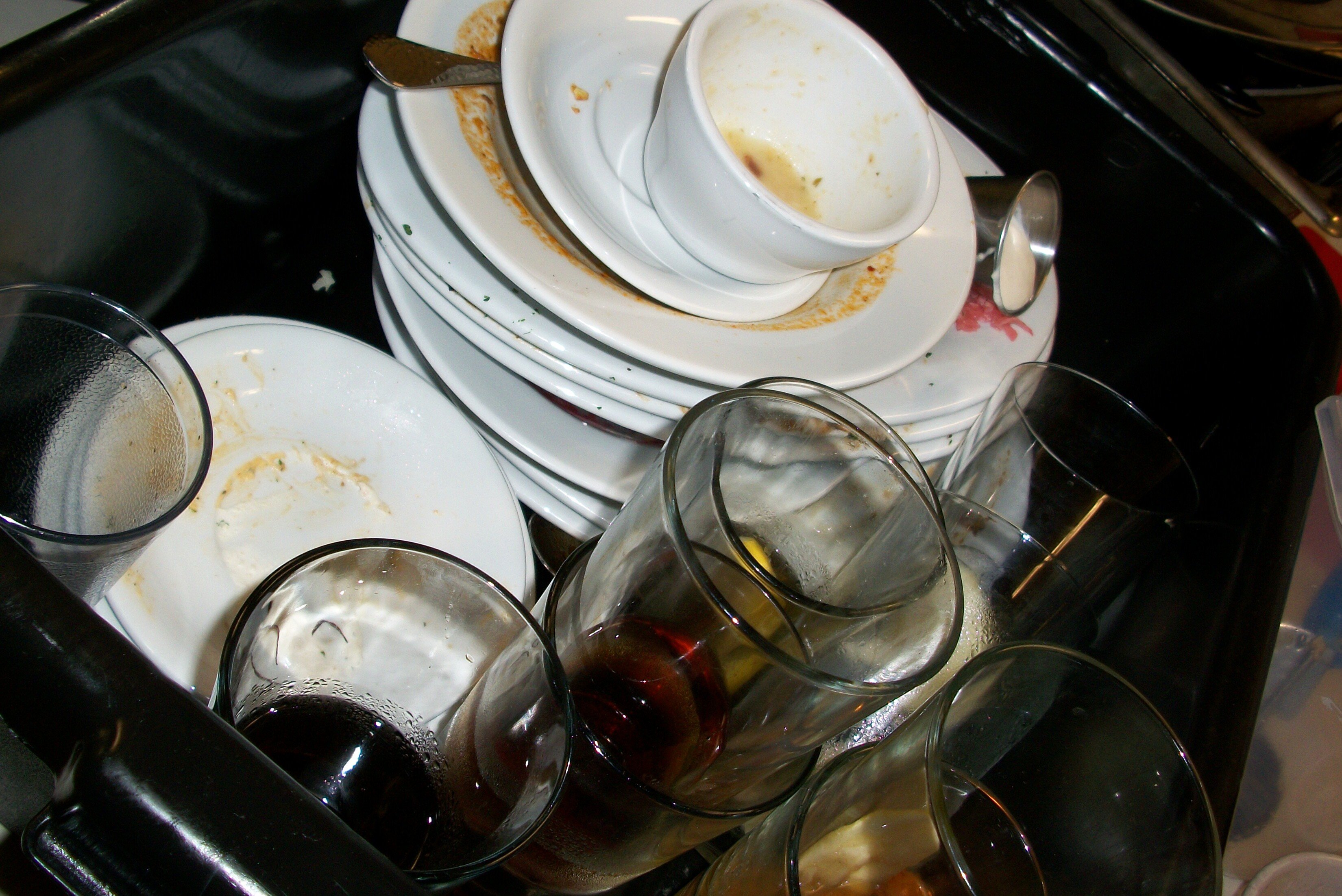
It started in the Kitchen with one Cup
The light bulb idea that sparked my Less is More Challenge was based on minimizing my household responsibilities and adopting a simpler lifestyle. I could choose not to take on the stress of those extra dishes. As a result, I decided that each person would get one cup for the week. It was a trial of sorts to see if I could keep the children and myself accountable. It worked well for a while. However I ran into trouble. My angelic children have a streak of evil genius (despite what my mother has told you, they get this from their father). They were crafty at sneaking extra cups. I found it hard to call them out on it, because I could not remember their chosen cups for the week.
So Mama went back to the drawing board and then laid down the law.

When the plan was not working I went back to the drawing board
I sat the kids down and we talked about why it was important to create good habits now. We discussed how adults are expected to be neat, tidy, and organized. I also explained that adults do not suddenly develop these skills, but instead learn them in their child hood. We also talked about the consequences that adults face at work, home, and socially when they are unorganized and messy.
I also let them know that because of their choices I had to revise the rules. The consequence of choosing to use extra cups without permission meant they were banned from all cups in the cupboard. I gave them both a disposable plastic cup. In big bold letters I wrote their name on their cup with a Sharpie. I explained my expectation that this is the one and only cup they can use all week. I also made the reward clear. After a full week of not losing the cup or using other cups, I would allow them to choose their cup for the next week.
BY HOLDING EACH PERSON ACCOUNTABLE TO USING ONE CUP A WEEK, THE AMOUNT OF DISHES I HAD TO WASH DROPPED DRAMATICALLY. I WAS ABLE TO CUT BACK TO RUNNING THE DISHWASHER TWICE A WEEK INSTEAD OF EVERY OTHER DAY!!!
One cup led to one Plate and one Set of utensils
In the past, the children’s hyperactivity made it overwhelming to create a simple dinner clean up routine. By simply shifting the responsibility of a cup to each child, it became easier to hold them accountable. My plan started slow and I was willing to revise it along the way. In the end it worked masterfully. Within a couple of weeks everyone had the new system down and the kids had proven themselves worthy. As a reward my diva daughter picked out a wine glass as her cup for the week. My son chose a grown up glass instead of a plastic cup. Each child was bursting with pride. Because they chose to behave like a grown up they were rewarded with grown up glasses.
Since we had settled into that new routine, I felt ready to extend the Less is More Challenge further. In addition to one cup a week, each family member was allowed to use just one plate and one set of utensils. Each person was responsible for keeping their dishes clean and available. It took another week or two to iron out the kinks, but in time the results were amazing! I felt less stressed by dinner time clean up because each person was taking responsibility for their mess. The kids were even helping wash the pots, pans, and the table. It became part of their routine to help so it was not a battle.
NOW I WAS DOWN TO RUNNING THE DISHWASHER ONCE EVERY 7-10 DAYS!

What started in the kitchen led to overhauling the entire house
In time I applied the Less is More Challenge to the children’s toys, the children’s clothes, my clothes, and my possessions. The results were amazing. I was no longer constantly stepping on Lego pieces and finding clothes scattered throughout the house. It was easy to hold the kids accountable for being organized and tidy. In the long run, this meant less work for me. In the future, I hope to share my experiences for taking the Less is More Challenge for clothes and toys as well. I am proud to say that laundry and Legos no longer own me. But for now let me share a few tips on how I made this work in the kitchen.
Tips on how to make the Less is More Challenge work for you
[sociallocker id=”7014″]
• Start simple. Do not try to overhaul everything at once. Start with a cup.
• Be patient and work out the kinks. Don’t be afraid to go back the drawing board. Once everyone is settled take on more.
• Clearly define your expectations. Make it clear what you expect from each person. Define the consequences if each person does not do their part and how this will effect them as adults.
• Encourage and offer praise in the moment for good behavior.
• Fight the urge to give in and do it yourself. Hold each person accountable.
• Praise your children. Make a point of expressing gratitude when they least expect it. I tend to do this at bedtime, while driving, or while eating meals.
◦ At bedtime, I might casually mention how it makes me proud to see their progress with not losing their cup or misplacing it in another room of the house.
◦ While driving with the kids in the back seat I will thank them for their help washing the pots and pans the night before. I also like to take it a step further about how their help makes me feel. I explain how relaxed I feel at dinner time when I have such good helpers who take care of their mess.
◦ At dinner time we have a lovely tradition. Each person takes a turn to say one good thing and one bad thing about their day. Sometimes I use this opportunity to brag on them. I tell them that they good thing about my day was coming home to a tidy kitchen because everyone washed their own breakfast dishes.
[/sociallocker]

About the Author
Amy Morrison is a hall of fame athlete and a psychiatric PA who specializes in the treatment of ADHD. She has over 11 years of experience in treating ADHD and other psychiatric illnesses. Her greatest and most rewarding challenge is being the mother of 2 amazing and energetic children ages 10 and 6. In her free time she enjoys crafting, reading, writing, and playing soccer.