
How Well Do You Know Yourself?
Posted on: December 17, 2025, by : Amy MorrisonBy: Amy Morrison PA-C at morrisonclinic.com
Journaling as a Pathway to Emotional Awareness
Journaling can be a powerful tool for making sense of both the world around us and our own inner experiences. Yet, for many, the act of starting to write can feel daunting—faced with a blank page, it’s easy to feel overwhelmed and unsure where to begin. In my recent article, “In My House We Believe in Talking About Emotions,” I explored the importance of emotional wellness and the value of being able to identify and name our feelings. I included a helpful visual—the emotion wheel—which organizes a wide range of both pleasant and unpleasant emotions. While this tool is incredibly useful, it can also feel a bit intimidating at first glance. Taking time to get to know yourself and your emotional landscape can make using the emotion wheel much more approachable.
The Emotion Worksheet: A Practical Tool
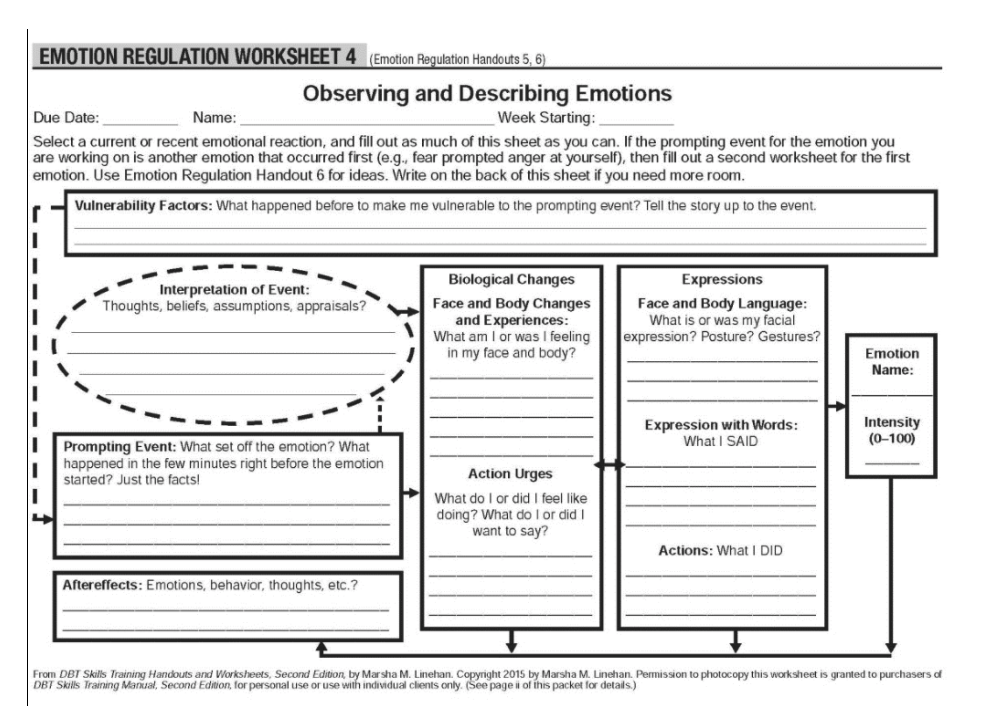
One resource I’ve found especially helpful is the emotion worksheet. This worksheet is designed to guide you through the process of exploring your feelings. With regular use, it can help you become more attuned to your emotions and how they show up in your life. The worksheet encourages you to connect your feelings with your thoughts, physical sensations, and behaviors. Sometimes, you might notice a change in your behavior or a physical sensation before you even realize what you’re feeling. This tool can help you trace those reactions back to the underlying emotion.
Understanding the Link Between Emotions and Behavior
By observing how your emotions influence your thoughts, body, and actions, you can begin to reduce the intensity of difficult feelings. The more you understand your own emotional responses, the quicker you’ll be able to recognize what you’re experiencing—and the easier it will become to manage those emotions in a healthy way. Remember, predictability is empowering. By establishing a framework to explore your feelings and behaviors, you can create a sense of predictability for yourself as you begin to notice patterns in your actions and emotions.
Don’t Forget to Explore Positive Emotions
This worksheet isn’t just for processing challenging emotions. Imagine how beneficial it could be to use it to reflect on positive feelings as well. Instead of rushing past moments of happiness or contentment, you can take time to savor and fully experience them. Focusing on your positive emotions can enhance your overall sense of wellbeing. Picture yourself pausing to really notice and appreciate the good moments in your day—how much more fulfilling could life feel?
A Simple Challenge for the Week Ahead
I invite you to try this exercise over the next week: each day, spend a few minutes reflecting on one positive and one negative emotion you experienced. Approach this practice with curiosity rather than judgment, and see what insights emerge. My hope is that you’ll find this process both enlightening and rewarding.